
Headache Treatment in Barry


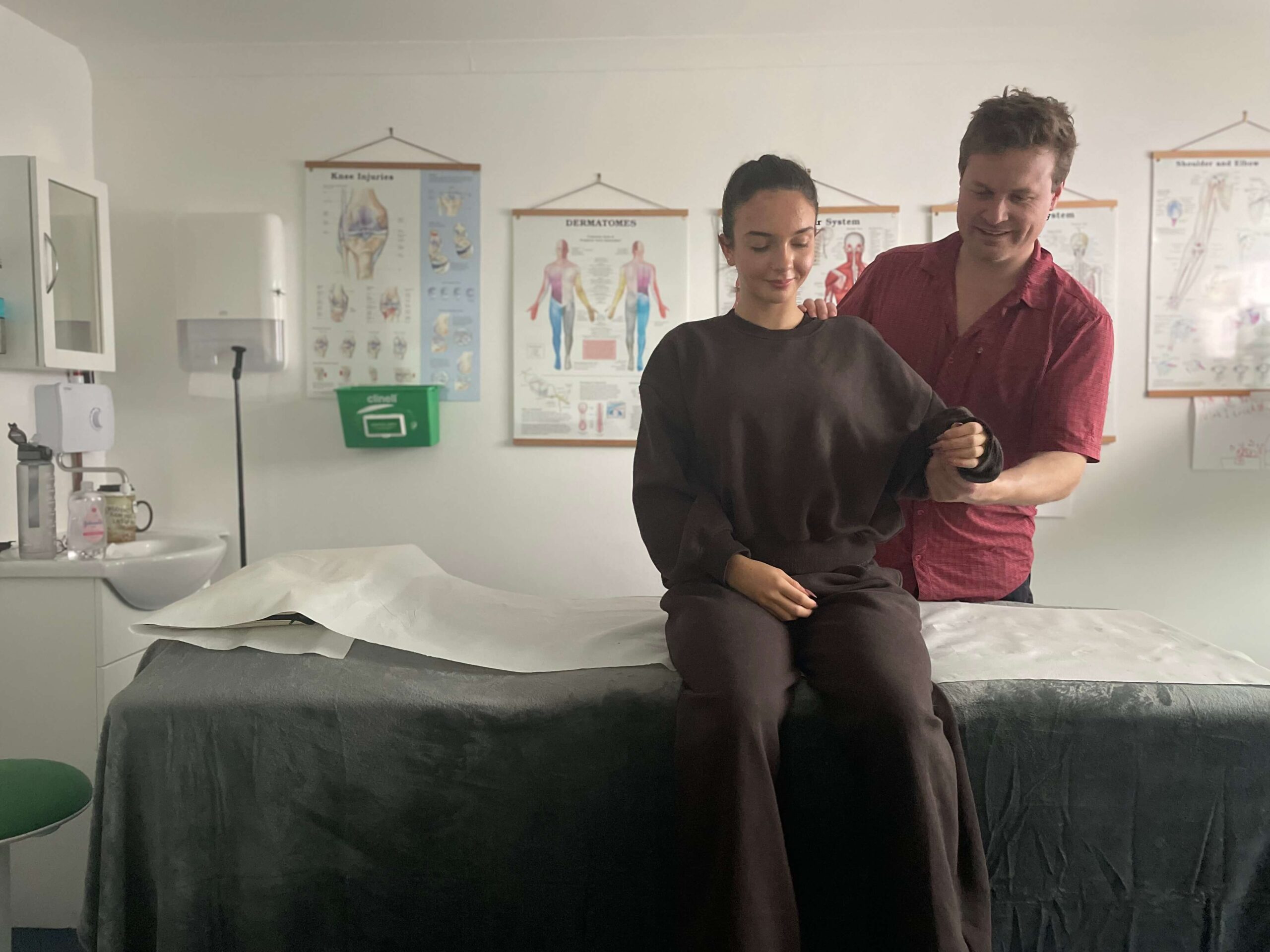
Common Headache Problems
- Tension headaches
- Migraines
- Neck-related headaches
- Headaches associated with neck stiffness
- Headaches after prolonged desk work
- Headaches linked with stress
- Headaches associated with poor sleep
- Headaches triggered by dehydration
- Recurrent headaches
- Headaches associated with jaw tension or teeth grinding
- Headaches affecting concentration or work performance
- Headaches accompanied by sensitivity to light or sound
When Should You Seek Help?
Consider seeking professional advice if:
- Headaches are becoming more frequent
- Symptoms are affecting work, sleep or daily activities
- Headaches keep returning
- Pain is not improving
- Over-the-counter medication is becoming less effective
- You are experiencing associated neck pain or stiffness
- You are unsure what may be contributing to your symptoms
- Headaches are affecting your quality of life
Urgent medical attention should be sought if you experience a sudden severe headache unlike anything you have experienced before, headache following significant head trauma, loss of vision, seizures, new weakness or numbness, difficulty speaking, confusion, a severe headache with fever and neck stiffness, or rapidly worsening neurological symptoms.
Headaches in Barry
Headaches are one of the most common health complaints, affecting people of all ages. Most headaches are not caused by a serious medical condition and often improve with simple measures such as rest, hydration, exercise and stress management.
However, headaches can vary significantly in their cause, symptoms and impact. Some are linked to muscle tension and neck stiffness, while others may be related to migraine, lifestyle factors, hormonal changes, illness or irritation of sensitive structures around the head and neck.
At Highlight Osteopaths, we provide thorough assessment and evidence-informed care to help identify factors that may be contributing to your symptoms and determine whether osteopathic treatment may be appropriate.
Common Symptoms of Headaches
Headaches can present in many different ways, including:
- Dull, aching pain
- Pressure or tightness around the head
- Throbbing or pulsating pain
- Pain behind the eyes
- Pain at the base of the skull
- Neck stiffness or discomfort
- Sensitivity to light or sound
- Nausea or dizziness
- Pain that worsens with certain activities
Some headaches develop gradually, while others can come on suddenly.
Understanding Different Types of Headaches
Tension-Type Headaches
Tension headaches are the most common type of headache.
Symptoms often include:
- A dull, aching sensation
- Pressure or tightness around the head
- A feeling of a tight band around the forehead or scalp
- Tenderness in the neck, shoulders or scalp
- Mild to moderate pain affecting both sides of the head
Stress, poor sleep, prolonged desk work and muscle tension are common contributing factors.
Migraines
Migraines are typically more severe than tension headaches and can significantly affect daily life.
Common features include:
- Moderate to severe throbbing pain
- Often affecting one side of the head
- Nausea or vomiting
- Sensitivity to light and sound
- Symptoms that worsen with activity
Some people experience an aura before a migraine, which may include visual disturbances, flashing lights, blind spots, tingling sensations or speech changes.
Cervicogenic (Neck-Related) Headaches
Cervicogenic headaches originate from structures in the neck.
Symptoms may include:
- Pain beginning in the neck or base of the skull
- Reduced neck movement
- Neck stiffness
- Headache triggered by certain neck positions
- Pain radiating towards the forehead, temple or behind the eye
These headaches are often associated with neck dysfunction, previous injury or prolonged postural strain.
Cluster Headaches
Cluster headaches are less common but can be extremely painful.
Symptoms may include:
- Severe pain around one eye
- Watering or redness of the eye
- Nasal congestion or a runny nose
- Episodes occurring in clusters over weeks or months
Because of their severity, medical assessment is often recommended.
Medication Overuse Headaches
Regular use of pain-relieving medication can sometimes contribute to persistent headaches.
This can occur when painkillers are taken frequently over extended periods, creating a cycle where headaches become more common and difficult to manage.
Common Causes and Triggers
Headaches often have multiple contributing factors rather than a single cause.
Common triggers include:
- Stress and anxiety
- Poor sleep
- Neck and shoulder tension
- Jaw clenching or teeth grinding
- Dehydration
- Skipping meals
- Eye strain
- Hormonal changes
- Alcohol consumption
- Caffeine withdrawal
- Illness such as colds or flu
- Prolonged desk work
- Reduced physical activity
- Certain foods or strong smells
- Changes in routine
Identifying personal triggers can often play an important role in long-term management.
How Osteopathy May Help
Not all headaches are related to the musculoskeletal system. However, some headaches are associated with tension and dysfunction in the muscles and joints of the neck, upper back, jaw and shoulders.
Where appropriate, osteopathic treatment may help by:
- Improving neck and upper back mobility
- Reducing muscle tension
- Addressing movement restrictions
- Improving posture and movement habits
- Supporting return to normal activity
- Providing advice on exercise and self-management
Treatment is tailored to the individual and may include:
- Soft tissue techniques
- Joint mobilisation
- Stretching techniques
- Exercise prescription
- Ergonomic advice
- Lifestyle and activity guidance
A thorough assessment is important to determine whether osteopathic treatment is likely to be appropriate for your symptoms.
Self-Management Tips
Many people find headaches improve with simple lifestyle measures.
Stay Hydrated
Even mild dehydration can contribute to headaches in some people.
Maintain Regular Meals
Skipping meals may trigger headaches and migraines.
Improve Sleep Habits
Poor sleep quality is a recognised contributor to many headache types.
Keep Moving
Regular exercise can help reduce the frequency and severity of some headaches.
Manage Stress
Stress is one of the most common contributors to tension headaches and migraine attacks.
Reduce Prolonged Sitting
Taking regular movement breaks from desks, computers and screens may help reduce neck and shoulder tension.
Consider a Headache Diary
Recording headache frequency, duration, symptoms and possible triggers can help identify patterns and guide management.
Common Headache Problems
People commonly seek assessment for:
- Tension headaches
- Migraines
- Neck-related headaches
- Headaches associated with desk work
- Headaches linked with stress
- Recurrent headaches
- Headaches with neck stiffness
- Headaches associated with jaw tension
- Headaches affecting work or daily activities
When Should You Seek Help?
Consider seeking professional advice if:
- Headaches are becoming more frequent
- Symptoms keep returning
- Pain is affecting work, sleep or daily activities
- Headaches are not improving
- You are unsure what may be contributing to your symptoms
- Over-the-counter medication is no longer helping
Urgent medical attention should be sought if you experience:
- A sudden, severe headache unlike anything you have experienced before
- Headache following significant head trauma
- New weakness, numbness or difficulty speaking
- Loss of vision or double vision
- Seizures
- Confusion or reduced consciousness
- A severe headache with fever and neck stiffness
- Progressive worsening headaches
- Unexplained weight loss alongside headaches
If you are concerned about any headache symptoms, seek appropriate medical advice.
Why Choose Highlight Osteopaths For Headache Assessment?
Highlight Osteopaths is based in Barry and provides evidence-informed osteopathic care for people experiencing headaches, neck pain and other musculoskeletal conditions. Every appointment includes a thorough assessment, explanation of findings and a treatment plan tailored to your needs and goals.
Where appropriate, treatment may focus on improving neck and upper back mobility, reducing muscle tension and helping you better understand factors that may be contributing to your symptoms. If your presentation suggests further medical assessment is needed, appropriate referral will be recommended.
Common Myths About Headaches
Myth: All headaches are caused by neck problems.
Fact: Headaches have many potential causes. While some headaches are associated with the neck, others may be related to migraine, stress, sleep, hormones, medication use or other factors.
Myth: A scan is needed to find the cause of a headache.
Fact: Most headaches do not require imaging. Assessment, symptom patterns and medical history are usually more useful than scans in identifying common headache types.
Myth: Painkillers are always the best solution.
Fact: While painkillers can help in some situations, frequent use may contribute to medication-overuse headaches.
Myth: If a headache is severe, something serious must be wrong.
Fact: Many severe headaches, including migraines, are not dangerous. However, some headache symptoms do require urgent medical assessment.
Myth: Rest is always the best treatment.
Fact: Rest may help during some headache episodes, but regular activity, good sleep, hydration and stress management are often important for long-term management.
Frequently Asked Questions About Headaches
Answers to some of the most common questions about headaches and osteopathic treatment.
Can an osteopath help with headaches?
Some headaches may be associated with tension and dysfunction in the neck, jaw, upper back and surrounding muscles. Where these factors appear relevant, osteopathic treatment may help improve movement, reduce muscle tension and support self-management.
What type of headaches are related to the neck?
Cervicogenic headaches are headaches that originate from structures within the neck. They often begin at the base of the skull and may be accompanied by neck stiffness or restricted movement.
What causes tension headaches?
Tension headaches are often associated with stress, poor sleep, prolonged postures, muscle tension, dehydration and lifestyle factors.
Can stress cause headaches?
Yes. Stress is one of the most commonly reported headache triggers and can contribute to muscle tension, poor sleep and increased headache frequency.
When should I worry about a headache?
Most headaches are not serious. However, sudden severe headaches, headaches associated with neurological symptoms, fever, significant head injury or progressive worsening symptoms should be assessed urgently.
Are migraines caused by neck problems?
Migraines are considered a neurological condition and often have multiple triggers. Neck pain and stiffness can occur alongside migraines, but neck dysfunction is not necessarily the primary cause.
How many treatments will I need?
This varies depending on the type of headache, how long symptoms have been present and the factors involved. Recommendations will be discussed following assessment.
Do I need a scan for headaches?
Most headaches do not require imaging. Scans are typically reserved for situations where symptoms suggest a more serious underlying cause or where further investigation is clinically indicated.
Ready to get started?
Whether you're struggling with a recent injury or pain that's been bothering you for months, I'm here to help.
Book your appointment online today and let's work together to understand your pain and get you moving with confidence again.
Conditions I commonly treat

Reach Out and Chat
Location
31 Lakin Drive,
Barry,
CF62 8AH