
Shoulder Pain Treatment in Barry


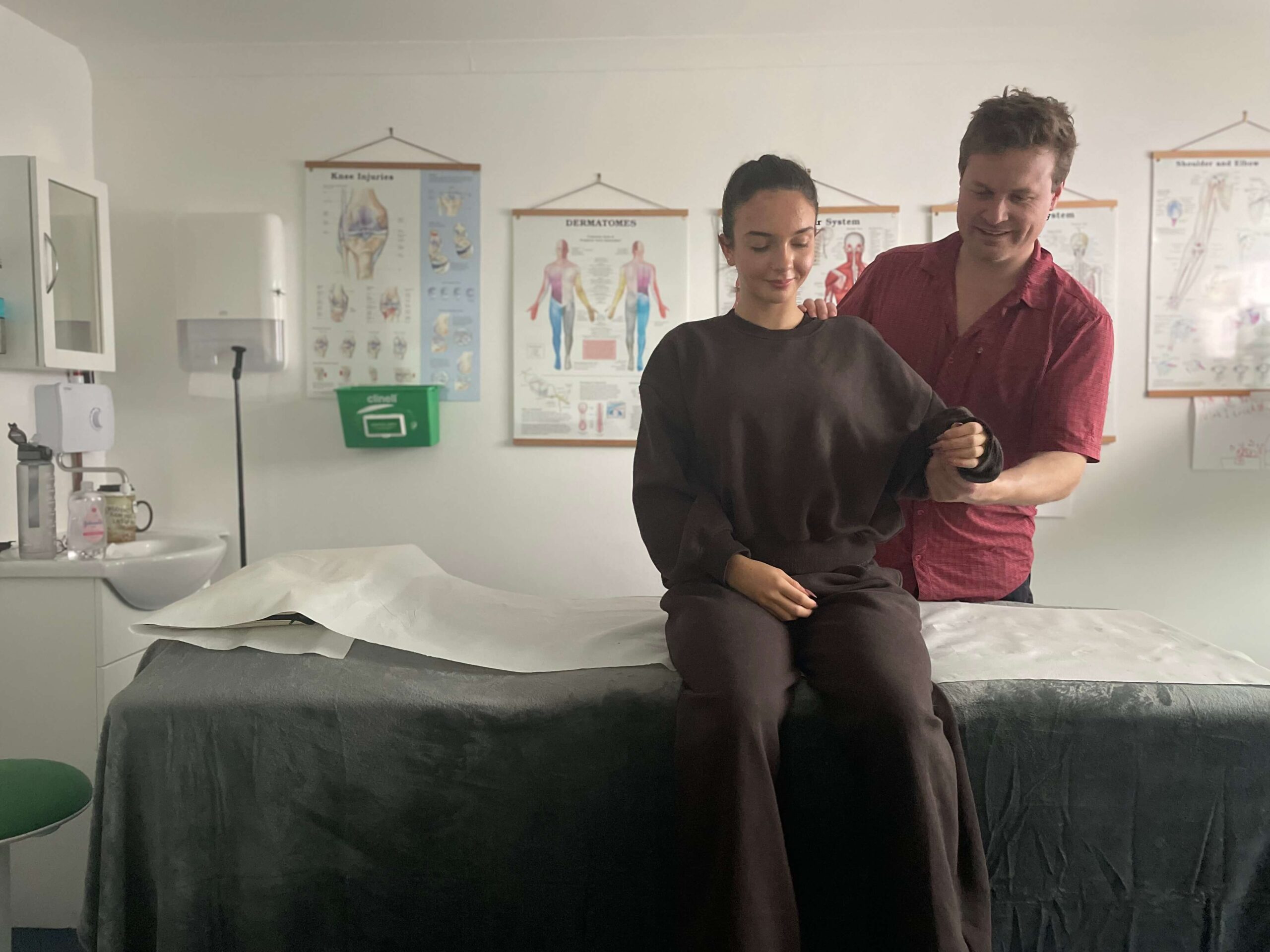
COMMON SHOULDER PROBLEMS
- Pain when lifting the arm
- Pain reaching overhead
- Shoulder pain at night
- Difficulty sleeping on the affected side
- Rotator cuff-related shoulder pain
- Frozen shoulder
- Shoulder impingement
- Tendon irritation and tendinopathy
- Pain after lifting or sport
- Shoulder pain from desk work
- Pain around the shoulder blade
- Shoulder pain spreading into the upper arm
- Stiffness and reduced shoulder mobility
- Shoulder pain associated with neck problems
- Recurrent episodes of shoulder pain
- Difficulty dressing, driving or carrying shopping
When Should You Seek Help?
Consider seeking professional advice if:
- Symptoms are not improving
- Pain is affecting work, sleep or daily activities
- You cannot comfortably lift your arm
- Shoulder movement feels increasingly restricted
- Symptoms keep returning
- Pain is spreading into the neck or arm
- You are experiencing numbness, tingling or weakness
- You are unsure what may be causing your symptoms
Urgent medical attention should be sought if you experience significant trauma, suspected fracture, obvious shoulder deformity, sudden severe weakness, signs of infection, chest pain, shortness of breath, or symptoms suggestive of a heart attack or stroke.
Shoulder Pain
Shoulder pain is one of the most common musculoskeletal complaints and can affect people of all ages. It may develop suddenly following an injury or gradually over time through repetitive activities, sport, work demands or age-related changes within the shoulder.
The shoulder is the most mobile joint in the body. While this mobility allows us to reach, lift, throw and carry, it also means the shoulder relies heavily on muscles, tendons and ligaments for stability. When these structures become irritated, overloaded or injured, pain and stiffness can develop.
Most shoulder problems are not serious, but they can have a significant impact on daily life, work, exercise and sleep.
How Shoulder Pain Can Affect Daily Life
Many people are surprised by how disruptive shoulder pain can become.
Simple activities may become difficult, including:
- Reaching into cupboards
- Putting on a coat or shirt
- Fastening a bra
- Carrying shopping bags
- Lifting children
- Driving
- Working at a computer
- Participating in sport or exercise
- Sleeping comfortably
Some people only notice symptoms during certain movements, while others experience constant discomfort throughout the day.
Common Symptoms of Shoulder Pain
Symptoms vary depending on the structures involved but may include:
- Pain in the shoulder joint
- Pain spreading into the upper arm
- Pain when lifting the arm
- Pain reaching overhead
- Stiffness and reduced movement
- Weakness when lifting or carrying
- Clicking or catching sensations
- Pain when lying on the affected side
- Shoulder blade discomfort
- Pain extending into the neck
- Pins and needles or numbness in the arm
Common Causes of Shoulder Pain
Shoulder pain can arise from a variety of conditions.
Common causes include:
Rotator Cuff Related Shoulder Pain
The rotator cuff is a group of four muscles and tendons that help control shoulder movement and stability.
Problems affecting the rotator cuff are one of the most common causes of shoulder pain. Symptoms often include:
- Pain when lifting the arm
- Pain reaching overhead
- Pain lying on the shoulder at night
- Weakness
- Pain during sport or repetitive activities
Frozen Shoulder
Frozen shoulder, also known as adhesive capsulitis, causes progressive pain and stiffness within the shoulder joint.
Symptoms typically develop gradually and may significantly restrict movement. Recovery often occurs in stages and can take many months.
Shoulder Tendinopathy
Tendinopathy refers to irritation or degeneration of a tendon.
This commonly affects the rotator cuff tendons and may develop following repetitive activity, increased workload, sport or prolonged periods of overload.
Shoulder Bursitis
Bursae are small fluid-filled sacs that reduce friction around joints.
Inflammation of a bursa can lead to pain, tenderness and discomfort during movement.
Shoulder Impingement
Some shoulder conditions can result in sensitive tissues becoming compressed during arm movement.
This may produce pain when reaching overhead, lifting or performing repetitive tasks.
Arthritis
Age-related changes can affect the shoulder joints.
Osteoarthritis may contribute to:
- Stiffness
- Aching
- Reduced mobility
- Pain during movement
Acromioclavicular (AC) Joint Pain
The AC joint sits at the top of the shoulder where the collarbone meets the shoulder blade.
Problems affecting this joint often cause pain directly over the top of the shoulder, particularly when reaching across the body.
Shoulder Instability and Dislocation
The shoulder can become unstable following injury or repeated dislocations.
Symptoms may include:
- A feeling that the shoulder may slip out of place
- Clicking
- Apprehension during movement
- Recurrent episodes of pain
Shoulder Pain From The Neck
Not all shoulder pain originates within the shoulder itself.
The neck can refer pain into the shoulder, shoulder blade and upper arm. Some people may also experience:
- Pins and needles
- Numbness
- Burning sensations
- Weakness
For this reason, assessment of both the shoulder and neck is often important when determining the source of symptoms.
Why Is My Shoulder Pain Worse At Night?
Night pain is a common feature of several shoulder conditions.
Possible reasons include:
- Pressure on sensitive tissues when lying on the shoulder
- Inflammation within the shoulder
- Difficulty finding a comfortable sleeping position
- Reduced distraction from symptoms at night
Rotator cuff-related shoulder pain, bursitis and frozen shoulder commonly cause disturbed sleep.
What Can You Do For Shoulder Pain?
Most shoulder problems benefit from remaining as active as symptoms allow.
Helpful strategies may include:
- Continuing gentle movement
- Avoiding prolonged immobilisation
- Gradually returning to normal activities
- Using heat or ice if helpful
- Managing workloads and repetitive activities
- Performing appropriate rehabilitation exercises
Complete rest is rarely helpful and may contribute to increasing stiffness.
How Osteopathy May Help
Osteopaths are trained to assess and manage a wide range of musculoskeletal shoulder conditions.
Assessment typically involves examining:
- Shoulder movement
- Neck function
- Upper back mobility
- Muscle strength
- Daily activities and aggravating factors
Treatment may include:
- Manual therapy
- Joint mobilisation
- Soft tissue techniques
- Exercise advice
- Activity modification
- Postural and ergonomic guidance
The aim is to improve movement, reduce discomfort and help you return to normal activities with greater confidence.
What Does The Evidence Say?
Research suggests that manual therapy and exercise can be beneficial for many common shoulder conditions.
A randomised controlled trial published in the Journal of Bodywork and Movement Therapies found clinically meaningful improvements in pain and disability following a course of osteopathic treatment in patients with shoulder pain.
Current evidence generally supports a combined approach involving education, exercise and appropriate manual therapy where indicated.
Why Choose Highlight Osteopaths For Shoulder Pain Treatment?
Highlight Osteopaths is based in Barry and provides evidence-informed osteopathic care for people experiencing shoulder pain and other musculoskeletal conditions.
Every appointment includes a thorough assessment, explanation of findings and a treatment plan tailored to your needs and goals.
Whether your symptoms developed recently, have gradually built up over time, or are limiting work, exercise or sleep, our aim is to help you move more comfortably and return to the activities that matter to you.
Common Myths About Shoulder Pain
Myth: Shoulder pain always means a torn rotator cuff.
Reality: Most shoulder pain is not caused by a complete tendon tear. Many cases relate to irritation, overload, stiffness or temporary dysfunction.
Myth: I should rest my shoulder completely.
Reality: Complete rest often delays recovery. Most shoulder conditions benefit from gradual movement and appropriate exercise.
Myth: If my shoulder clicks, something must be damaged.
Reality: Clicking is common and is not necessarily a sign of injury, particularly when it is not accompanied by pain.
Myth: Shoulder pain always comes from the shoulder.
Reality: The neck, upper back and surrounding structures can all refer pain into the shoulder region.
Myth: If my shoulder hurts at night, it must be serious.
Reality: Night pain is common in several shoulder conditions, including rotator cuff-related shoulder pain and frozen shoulder, and does not automatically indicate serious disease.
Frequently Asked Questions About Shoulder Pain
Answers to some of the most common questions about Shoulder Pain and osteopathic treatment.
What is the most common cause of shoulder pain?
Rotator cuff-related shoulder pain is one of the most common causes of shoulder symptoms, particularly in adults over 40.
Why does my shoulder hurt when I lift my arm?
Pain during lifting movements may be related to rotator cuff tendinopathy, bursitis, shoulder impingement or other shoulder conditions.
Why is my shoulder pain worse at night?
Pressure on sensitive tissues, inflammation and certain shoulder conditions such as frozen shoulder or rotator cuff-related pain can make symptoms more noticeable at night.
Can neck problems cause shoulder pain?
Yes. The neck can refer pain into the shoulder, upper arm and shoulder blade region, sometimes without causing significant neck pain itself.
Should I exercise with shoulder pain?
In many cases, gentle movement and appropriate exercise are helpful. However, exercise should be tailored to the underlying condition and current symptoms.
How long does shoulder pain take to improve?
Recovery times vary considerably. Some minor shoulder problems improve within a few weeks, while conditions such as frozen shoulder may take many months.
Can osteopathy help shoulder pain?
Osteopathy may help by assessing factors contributing to symptoms, improving movement, providing education and supporting rehabilitation through evidence-informed care.
Do I need a scan for shoulder pain?
Ready to get started?
Whether you're struggling with a recent injury or pain that's been bothering you for months, I'm here to help.
Book your appointment online today and let's work together to understand your pain and get you moving with confidence again.
Conditions I commonly treat

Reach Out and Chat
Location
31 Lakin Drive,
Barry,
CF62 8AH