
Hip Pain Treatment in Barry
At a Glance
Hip pain is common, and most people improve with the right advice, appropriate exercise and rehabilitation.
The key things to know:
✅ Hip pain isn’t always caused by arthritis.
✅ Pain may come from the hip, muscles, tendons or even the lower back.
✅ Most people improve without injections or surgery.
✅ Staying active is usually better than prolonged rest.
✅ A thorough assessment helps identify what’s causing your symptoms.
⚠️ Seek urgent medical attention if you cannot bear weight after an injury or develop a hot, swollen hip with a fever.
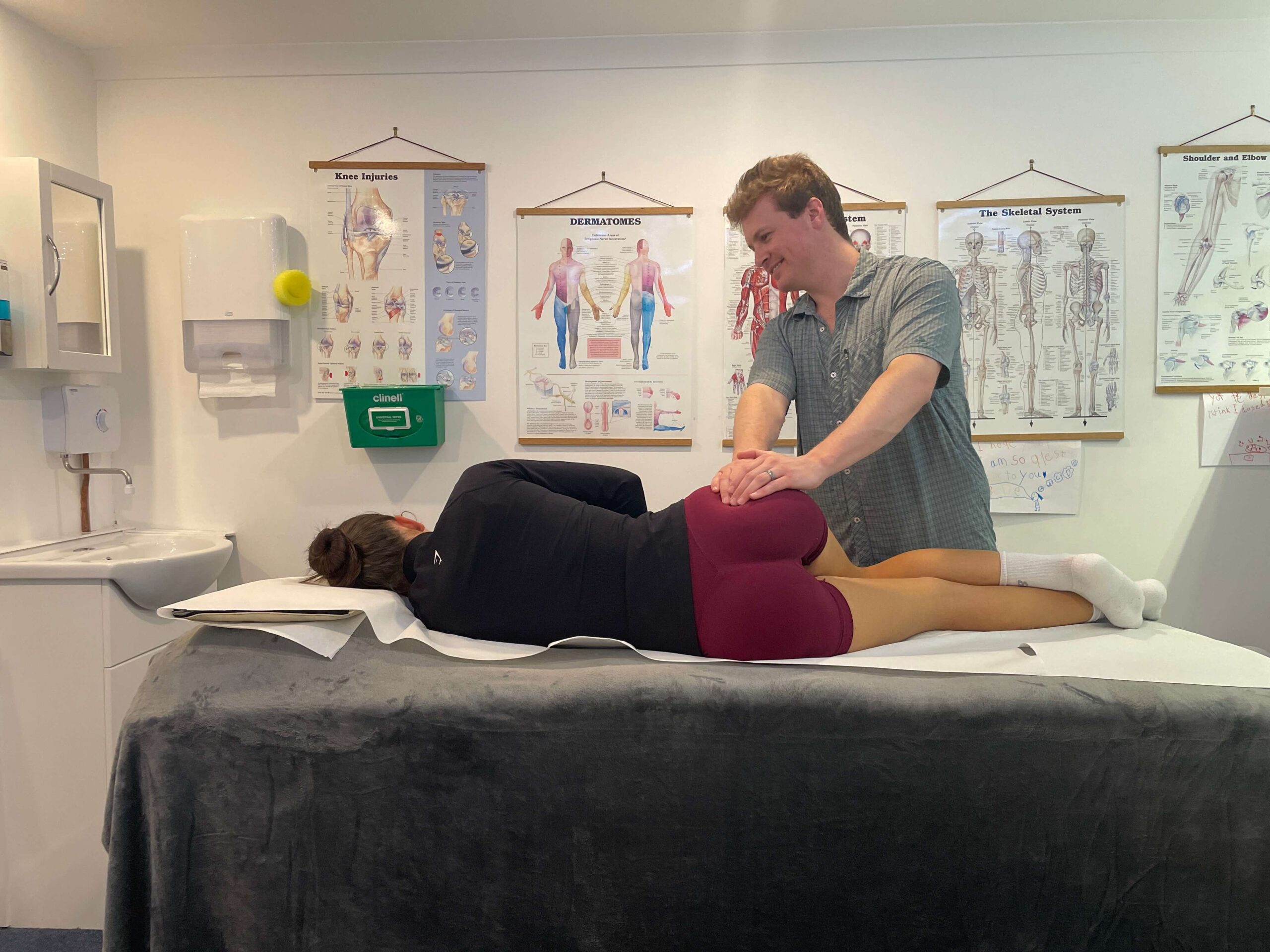
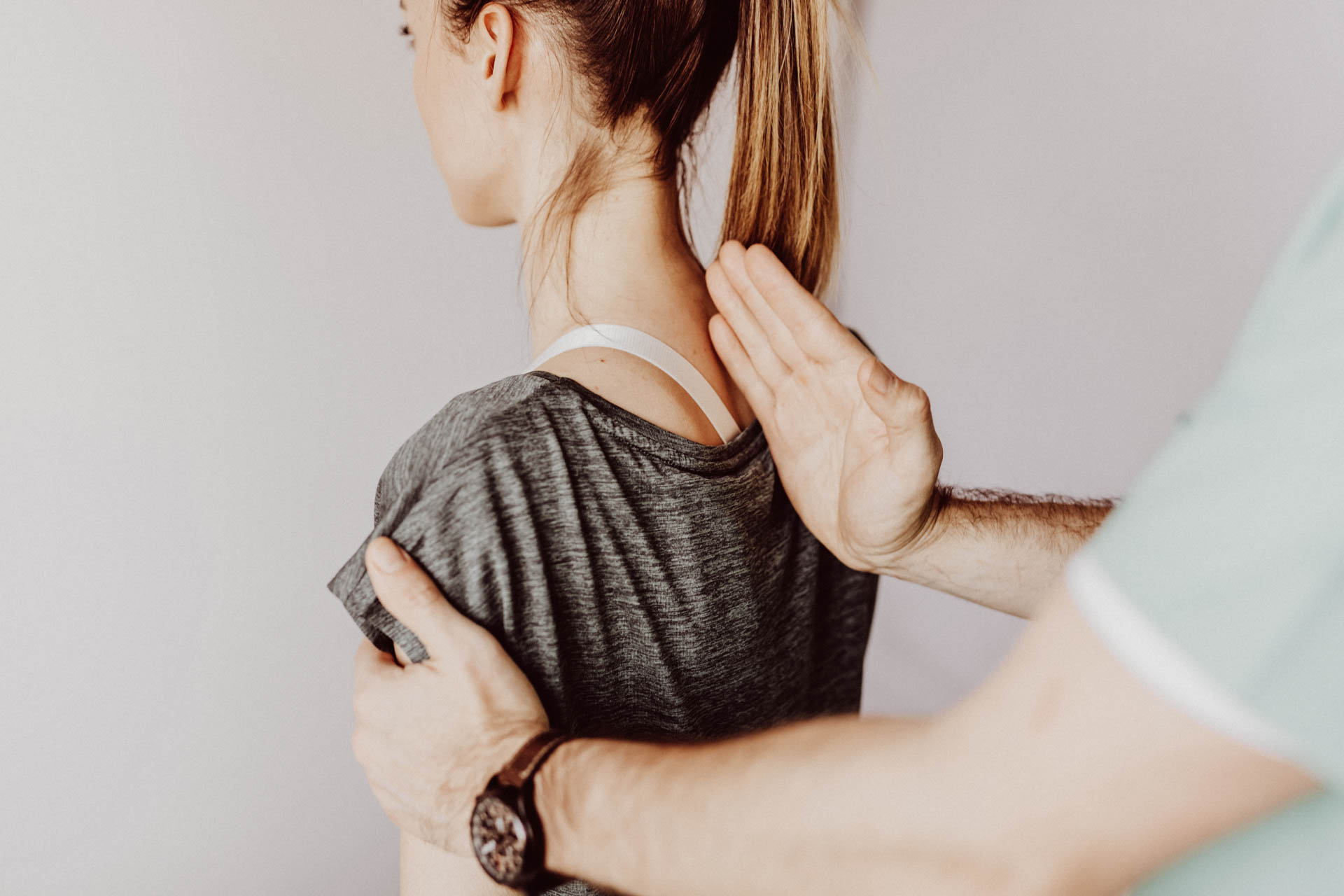
If you’re unsure what’s causing your symptoms, a thorough assessment at Highlight Osteopaths in Barry can help identify the cause and guide the most appropriate treatment.
Common Symptoms Of Hip Pain
Hip pain affects everyone differently.
You may experience one or several of the following:
- Pain in the groin
- Pain on the outside of the hip
- Buttock pain
- Pain travelling into the thigh
- Pain travelling towards the knee
- Hip pain when walking
- Pain climbing stairs
- Hip pain during or after exercise
- Pain when lying on one side
- Stiffness after sitting
- Difficulty getting in and out of the car
- Difficulty putting on shoes or socks
- Reduced walking tolerance
- Clicking or catching sensations
- Recurring episodes of hip pain
The location of your pain doesn’t always tell us exactly what’s causing it, which is why a thorough assessment is often more useful than relying on symptoms alone.
When Should You Seek Medical Advice?
Many hip problems improve with time, appropriate activity and conservative management.
However, it is sensible to seek professional advice if:
- Your symptoms are not improving.
- Pain is affecting your work, sleep or daily activities.
- Walking is becoming increasingly difficult.
- You are developing increasing stiffness.
- You are struggling with stairs, dressing or everyday tasks.
- Your symptoms continue to return.
- You are unsure what may be causing your pain.
Seek Urgent Medical Attention If You Experience:
- Severe hip pain following a fall or significant injury.
- Inability to put weight through the affected leg.
- A hot, swollen or red hip joint.
- Hip pain associated with fever or feeling generally unwell.
- Sudden numbness or significant weakness in the leg.
- Rapidly worsening symptoms.
These symptoms are uncommon but should be assessed urgently to exclude more serious conditions.
What Is Hip Pain?
Hip pain is a common musculoskeletal problem that can affect people of all ages, from active runners and golfers to office workers, parents and older adults.
It can make everyday activities surprisingly difficult. Walking the dog, climbing stairs, exercising, gardening, getting out of the car or simply putting on your shoes and socks may become uncomfortable and frustrating.
Some people develop hip pain gradually over several months, while others notice symptoms after increasing their activity levels, following a sporting injury, prolonged sitting or sometimes for no obvious reason at all.
One of the reasons hip pain can be confusing is that the pain isn’t always felt where the problem originates. Although discomfort is commonly felt in the groin or around the hip itself, it may also be experienced in the buttock, outer hip, thigh or even around the knee. In some cases, pain felt around the hip is actually referred from the lower back or pelvis.
The reassuring news is that most hip pain responds well to conservative treatment. Understanding the underlying cause, staying active where appropriate and following an individualised rehabilitation plan are often the keys to a successful recovery.
At Highlight Osteopaths in Barry, every appointment begins with a thorough assessment to understand what may be contributing to your symptoms. From there, you’ll receive a clear explanation of your findings and a personalised plan designed to help you move more comfortably and confidently.
About the Hip
The hip is one of the largest and strongest joints in the body.
It is a ball-and-socket joint, where the top of your thigh bone (the femur) fits into a socket within the pelvis. This design allows the hip to combine excellent mobility with remarkable stability, supporting your body weight every time you stand, walk, climb stairs or run.
Healthy hip function depends on far more than the joint itself. The muscles, tendons, ligaments, pelvis and lower back all work together to help you move efficiently. If one part of this system isn’t functioning as well as it should, other areas often compensate, which may contribute to pain, stiffness or reduced mobility.
This is why hip pain isn’t always caused by a problem within the hip joint. Conditions affecting the lower back, pelvis or surrounding soft tissues can produce symptoms that feel remarkably similar.
A thorough assessment looks at how your whole body moves—not just where it hurts. Understanding the true source of your symptoms is the first step towards choosing the most appropriate treatment and helping you return to the activities you enjoy, whether that’s walking along Barry Island, exploring Cosmeston Lakes, spending time at Porthkerry Country Park, playing sport or simply moving through everyday life with greater confidence.
What Causes Hip Pain?
Hip pain isn’t a diagnosis in itself—it’s a symptom that can have many different causes.
Sometimes the source is the hip joint itself, while in other cases the pain comes from muscles, tendons, ligaments, the pelvis or even the lower back. Understanding where your symptoms are coming from is one of the most important parts of choosing the right treatment.
Below are some of the most common causes of hip pain.
Hip Osteoarthritis
Hip osteoarthritis is one of the most common causes of persistent hip pain, particularly in adults over the age of 45.
Contrary to popular belief, osteoarthritis isn’t simply “wear and tear.” Modern research suggests it’s better thought of as a process of joint repair and adaptation. While the cartilage within the joint changes over time, many people with arthritic changes seen on X-rays experience little or no pain at all.
Typical symptoms include:
- Pain felt deep in the groin
- Stiffness after resting or first thing in the morning
- Reduced flexibility
- Difficulty putting on shoes and socks
- Pain walking longer distances
- Discomfort getting in and out of a chair or car
Although osteoarthritis can’t currently be reversed, many people successfully manage their symptoms through education, exercise, maintaining strength and appropriate treatment. Remaining active is generally one of the most effective ways to help manage the condition.
Greater Trochanteric Pain Syndrome (Outer Hip Pain)
Pain on the outside of the hip is often caused by Greater Trochanteric Pain Syndrome (GTPS).
This condition was previously thought to be mainly caused by bursitis, but we now know it more commonly involves irritation of the tendons that attach to the side of the hip.
Symptoms often include:
- Pain over the outside of the hip
- Tenderness to touch
- Pain lying on the affected side
- Discomfort climbing stairs or hills
- Pain during longer walks or running
- Pain when standing on one leg
Many people notice symptoms gradually rather than after one specific injury.
Muscle and Tendon Injuries
The muscles and tendons surrounding the hip work continuously to support your body during walking, running and everyday movement.
They can become irritated following:
- Sporting activities
- Running
- Gym training
- Repetitive movements
- Sudden increases in exercise
- Heavy lifting
- Prolonged sitting
Symptoms often include localised pain, stiffness, weakness or discomfort during specific movements.
With appropriate rehabilitation, these problems often improve well.
Hip Impingement (Femoroacetabular Impingement)
Hip impingement occurs when the ball and socket of the hip don’t move together as smoothly as they should.
Some people are born with subtle differences in the shape of the joint, while others develop changes over time.
Typical symptoms include:
- Pain deep in the groin
- Pain during squatting
- Pain after prolonged sitting
- Reduced hip movement
- Clicking or catching sensations
- Pain during twisting movements or sport
Not everyone with hip impingement requires surgery. Many people successfully manage symptoms through education, activity modification and targeted rehabilitation.
Hip Labral Problems
The labrum is a ring of cartilage that helps deepen the hip socket and improve joint stability.
Occasionally it can become irritated or torn through sporting activities, repetitive movements or injury.
People sometimes notice:
- Sharp groin pain
- Clicking or locking sensations
- Pain during twisting movements
- Reduced confidence loading the hip
Importantly, small labral tears are also found in many people without pain, so imaging findings always need to be interpreted alongside your symptoms and examination.
Referred Pain From the Lower Back
Not all hip pain begins in the hip.
The lower back, sacroiliac joints and surrounding nerves can all refer pain into:
- The buttock
- The outer hip
- The groin
- The thigh
- Occasionally towards the knee
This is one reason why simply treating the painful area isn’t always enough.
A thorough assessment considers how your lower back, pelvis and hips work together before deciding on the most appropriate treatment.
Pregnancy-Related Pelvic Girdle Pain
Pregnancy places additional demands on the pelvis and hips.
Some women experience discomfort around the hips, buttocks or pubic area due to changes in movement, muscle function and increasing loads during pregnancy.
Symptoms often improve with appropriate advice, exercise and activity modification, although every pregnancy is different.
Sometimes There Isn’t One Single Cause
Not every episode of hip pain can be explained by one structure alone.
Pain is influenced by many factors including movement, activity levels, sleep, previous injuries, general health and how sensitive the nervous system has become.
This doesn’t mean the pain isn’t real—it simply reflects that the body is more complex than any single scan or diagnosis.
Understanding the full picture allows treatment to focus on improving movement, restoring confidence and helping you return to normal activities, rather than simply treating one structure in isolation.
Does Hip Pain Always Mean Arthritis?
No.
Although osteoarthritis is one of the most common causes of hip pain, particularly as we get older, it is far from the only explanation.
Pain around the hip may arise from muscles, tendons, ligaments, bursae, the joint itself, or even be referred from the lower back or pelvis. In younger and active individuals, hip pain is often related to tendon irritation, muscle strain or sporting injuries rather than arthritis.
It’s also important to remember that many people have arthritic changes visible on an X-ray but experience little or no pain. Likewise, someone with relatively minor changes on a scan may have significant symptoms.
This is why your symptoms, medical history and physical examination are usually far more valuable than relying on imaging alone.
Does Pain Always Mean Damage?
Not necessarily.
Pain is your body’s protective warning system, but the amount of pain you experience doesn’t always reflect the amount of damage within the tissues.
For example, a relatively irritated tendon can be very painful, while some people with advanced arthritis experience surprisingly little discomfort.
Similarly, if pain has been present for several months, the nervous system can become more sensitive, meaning everyday movements may feel more painful than they need to.
This doesn’t mean the pain is “in your head.” It simply reflects how the brain and nervous system process information while the body is healing.
Understanding this often helps people regain confidence in movement and reduces the fear that every painful step is causing further damage.
Do I Need an X-ray or MRI Scan?
Usually not.
Most people with hip pain can be diagnosed through a detailed history and physical examination.
Imaging may be recommended if:
- Symptoms aren’t improving as expected.
- A fracture or serious injury is suspected.
- There is significant loss of movement or strength.
- Surgery or specialist referral is being considered.
- Your symptoms suggest another underlying condition that requires further investigation.
It’s also worth remembering that scans often show age-related changes in people who have no pain whatsoever.
For this reason, imaging is most useful when the results are likely to change the treatment plan, rather than simply confirming changes that may already be expected.
If further investigation is appropriate, this will be discussed with you during your appointment and, where necessary, you’ll be referred to your GP or the most appropriate healthcare professional.
How Long Does Hip Pain Take to Improve?
Recovery depends on the underlying cause of your symptoms.
A minor muscle strain may settle within a few weeks, whereas tendon problems or osteoarthritis often improve more gradually over several months with the right management.
It’s completely normal to experience good days and bad days during recovery.
A temporary flare-up doesn’t necessarily mean you’ve caused more damage or are back to square one. Recovery is rarely a perfectly straight line.
The aim isn’t simply to reduce pain—it’s to help you return to walking comfortably, exercising confidently and enjoying your normal daily activities again.
Should I Keep Walking?
For most people, yes.
Walking is one of the simplest and most effective ways to keep the hip moving, maintain muscle strength and support recovery.
Rather than avoiding activity altogether, it’s usually better to keep moving within comfortable limits and gradually increase what you can do over time.
Many patients find shorter, more frequent walks are easier than one long walk that aggravates symptoms.
As your hip becomes stronger and more comfortable, you can slowly build your walking distance and pace.
Living in Barry gives you plenty of opportunities to stay active during recovery. Gentle walks along Barry Island promenade, around Cosmeston Lakes Country Park or through Porthkerry Country Park are excellent ways to maintain movement while gradually rebuilding confidence.
Should I Rest?
Short periods of relative rest can be helpful if your pain has suddenly flared up.
However, prolonged rest is rarely beneficial for most hip conditions.
Remaining inactive for too long can lead to increased stiffness, reduced muscle strength and a loss of confidence in movement.
Current NHS and NICE guidance encourages people to remain as active as their symptoms reasonably allow, gradually returning to normal activities rather than waiting for the pain to disappear completely.
Finding the right balance between doing too much and too little is often one of the most important parts of recovery.
Factors That Can Influence Recovery
Recovery from hip pain is influenced by much more than the hip joint itself.
Several factors can affect how quickly you recover, including:
- Your general health.
- Sleep quality.
- Physical activity levels.
- Muscle strength.
- Stress and anxiety.
- Body weight.
- Smoking.
- Previous injuries.
- Confidence in movement.
Addressing these factors alongside appropriate treatment often leads to better long-term outcomes than focusing solely on the painful area.
What Can You Do Yourself?
There are several simple things that often help people manage hip pain and support recovery.
Keep Moving
Gentle movement usually helps maintain flexibility, muscle strength and confidence.
Completely avoiding activity can often make stiffness worse.
Build Strength Gradually
Strong muscles around the hips, pelvis and legs help support the joint and improve everyday movement.
Simple strengthening exercises performed consistently are often one of the most effective long-term treatments for persistent hip pain.
Pace Your Activities
Avoid the cycle of doing too much on a good day followed by several days of increased pain.
Gradually increasing activity is usually more effective than large bursts of exercise.
Wear Supportive Footwear
Comfortable shoes with good support may help reduce unnecessary stress on the hips during walking and standing.
Maintain a Healthy Weight
If appropriate for you, maintaining a healthy body weight can reduce the load placed through the hip joint and improve long-term function.
Prioritise Good Sleep
Quality sleep plays an important role in recovery.
If lying on your side is uncomfortable, placing a pillow between your knees may reduce pressure through the hips and improve comfort during the night.
Can Osteopathy Help?
Osteopathy may help people with hip pain by improving movement, reducing stiffness and supporting long-term recovery through a combination of hands-on treatment, education and rehabilitation.
Every appointment begins with understanding why your hip is painful before deciding on the most appropriate treatment.
Assessment
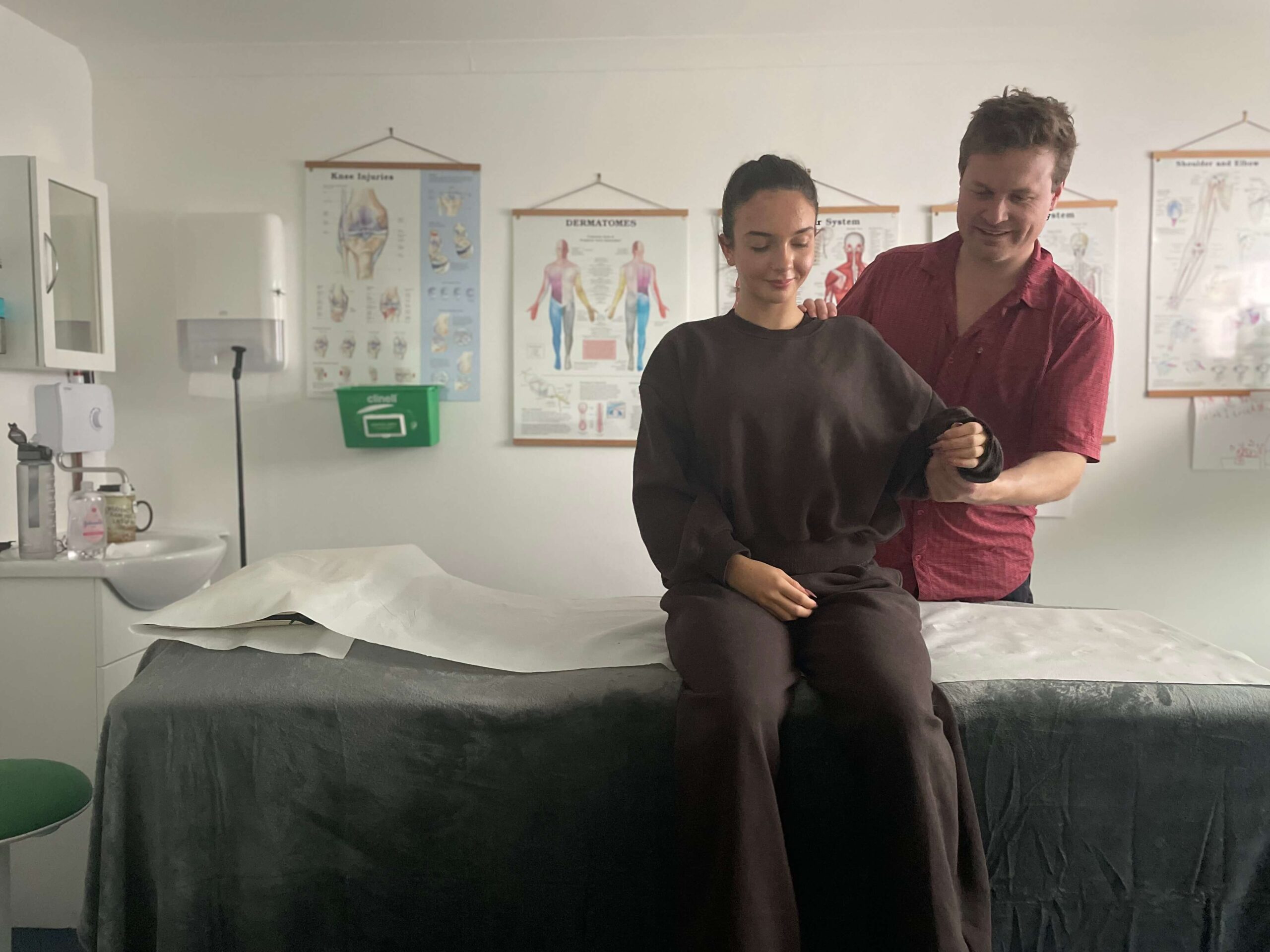
A detailed assessment helps identify where your symptoms are coming from and whether they’re likely to originate from the hip joint itself, the surrounding muscles and tendons, or another area such as the lower back or pelvis.
Your assessment may include:
- A detailed discussion about your symptoms and medical history.
- Observation of your posture and walking pattern.
- Assessment of hip and lower back movement.
- Strength and flexibility testing.
- Orthopaedic and neurological examination where appropriate.
- Screening for signs that require medical referral.
Hands-On Treatment
Where appropriate, treatment may include:
- Gentle joint mobilisation.
- Soft tissue massage.
- Stretching techniques.
- Spinal or pelvic mobilisation.
- Joint manipulation where clinically appropriate.
Treatment is always tailored to your individual presentation and comfort.
Exercise and Rehabilitation
Exercise is one of the most effective long-term treatments for many hip conditions.
You’ll receive personalised advice and rehabilitation exercises designed to:
- Improve mobility.
- Restore strength.
- Increase confidence in movement.
- Reduce the likelihood of future flare-ups.
- Help you return to the activities you enjoy.
For many people, this includes gradually returning to walking, whether that’s around Barry Island, Cosmeston Lakes Country Park, Porthkerry Country Park or simply around the local neighbourhood.
Education and Self-Management
Understanding your symptoms is an important part of recovery.
Knowing what is happening—and equally importantly, what isn’t happening—often reduces fear, improves confidence and helps people return to normal activities more comfortably.
My aim is not simply to provide treatment during appointments, but to give you the knowledge and confidence to manage your condition independently over the long term.
Evidence-Based Care
At Highlight Osteopaths, my approach combines current research, clinical experience and your individual goals.
As a registered osteopath regulated by the General Osteopathic Council (GOsC) (8550), I work within nationally recognised professional standards and continually update my knowledge through ongoing professional development.
I’m also a member of the Institute of Osteopathy (iO) and the Osteopaths for Progress in Headaches and Migraines (OPHM), as well as the Academy of Physical Medicine for reflecting my commitment to evidence-informed musculoskeletal care and high professional standards.
Where appropriate, advice is informed by guidance from organisations including NICE, the NHS and Versus Arthritis, particularly regarding exercise, remaining active and the long-term management of common hip conditions such as osteoarthritis.
Just as importantly, osteopathy isn’t always the right answer.
If your assessment suggests that further investigations, imaging or referral to another healthcare professional would be more appropriate, I’ll explain this clearly and help you access the right care.
The goal is always the same—to help you understand your symptoms, move with greater confidence and get back to doing the things you enjoy.
Summary
Hip pain is common, but it doesn’t have to stop you enjoying everyday life.
Whether your symptoms are caused by osteoarthritis, tendon irritation, muscle strain, referred pain from the lower back or another musculoskeletal condition, the first step is understanding what’s contributing to your pain.
The good news is that many people improve with education, appropriate exercise, gradual rehabilitation and evidence-informed conservative care.
By understanding your condition, staying active where possible and addressing the factors contributing to your symptoms, you can often reduce pain, improve mobility and regain confidence in movement.
Why Choose Highlight Osteopaths?
At Highlight Osteopaths, you’ll receive more than just treatment—you’ll receive a clear explanation of what’s likely contributing to your symptoms and a personalised plan designed around your goals.
Every appointment includes a thorough assessment, evidence-informed advice and practical strategies to help you move more comfortably and confidently.
Patients regularly visit from Barry, Penarth, Dinas Powys, Rhoose, Llantwit Major and across the Vale of Glamorgan for professional osteopathic care in a friendly, supportive environment.
If your symptoms also involve your lower back, you may find our Lower Back Pain and Sciatica guides helpful. Pain can sometimes be referred between these areas, so understanding the whole picture is often the key to successful recovery.
Ready to Take the Next Step?
Hip pain can make even simple activities feel frustrating—but most people can make significant improvements with the right advice, appropriate rehabilitation and a personalised management plan.
Whether your symptoms started recently or have been troubling you for months, I’d be happy to help you understand what’s happening and support you on your recovery journey.
Common Myths About Hip Pain
There’s a lot of misinformation surrounding hip pain. Here are some of the most common myths.
Myth: Hip pain always means arthritis.
Not necessarily.
Although osteoarthritis is common, particularly as we get older, many other conditions can cause hip pain. Muscles, tendons, bursae, ligaments, the lower back and pelvis can all contribute to symptoms.
An accurate assessment helps identify the most likely cause rather than assuming it’s arthritis.
Myth: I should rest completely until the pain goes away.
For most people, prolonged rest slows recovery rather than helping it.
Keeping active within comfortable limits helps maintain strength, mobility and confidence. Short periods of rest may help during a flare-up, but gradually returning to normal movement is usually the best approach.
Myth: If my scan shows arthritis, I'll need a hip replacement.
Not at all.
Many people with arthritic changes seen on X-rays continue to lead active, fulfilling lives without surgery.
Treatment decisions are based on your symptoms, how they affect your daily life and whether conservative treatments have helped—not simply on scan findings.
Myth: Hip pain always comes from the hip joint.
Hip pain can be surprisingly misleading.
Pain felt around the hip may actually originate from the lower back, pelvis or surrounding soft tissues. Likewise, a genuine hip problem may sometimes be felt in the groin, thigh or even around the knee.
Myth: Pain means I am causing more damage.
Pain is your body’s protective warning system, but it doesn’t always reflect tissue damage.
For many persistent hip conditions, gradually increasing movement is safe and forms an important part of recovery.
Learning to move with confidence again is often just as important as reducing pain itself.
Frequently Asked Questions About Hip Pain
Answers to some of the most common questions about hip pain and osteopathic treatment.
Where is hip pain usually felt?
Hip pain may be felt in the groin, outer hip, buttock, thigh or occasionally around the knee. The exact location doesn’t always identify the source of the problem, which is why a thorough assessment is important.
Why does my hip hurt when I walk?
Walking places increased load through the hip joint and surrounding muscles. Pain during walking may be related to osteoarthritis, tendon irritation, muscle weakness, bursae, or symptoms referred from the lower back.
Why is my hip pain worse at night?
Night pain is commonly associated with lying on an irritated tendon or the outside of the hip, although arthritis and other conditions can also become more noticeable when you’re resting.
Can hip pain come from my back?
Yes.
The lower back and pelvis frequently refer pain into the buttock, outer hip, groin and thigh. Sometimes what feels like a hip problem is actually originating from the lumbar spine.
Do I need an X-ray or MRI?
Not usually.
Most hip problems can be diagnosed through a detailed history and physical examination. Imaging is generally recommended only when it’s likely to influence treatment decisions or if a more serious condition needs to be excluded.
Can osteopathy help hip pain?
Following a thorough assessment, osteopathy may help some people through a combination of hands-on treatment, rehabilitation exercises, movement advice and education.
Treatment is always tailored to the individual, and if another form of care would be more appropriate, this will be discussed with you.
How long does hip pain take to improve?
Ready to get started?
Whether you're struggling with a recent injury or pain that's been bothering you for months, I'm here to help.
Book your appointment online today and let's work together to understand your pain and get you moving with confidence again.
Conditions I commonly treat

Reach Out and Chat
Location
31 Lakin Drive,
Barry,
CF62 8AH