
Lower Back Pain Treatment in Barry
At a Glance
Lower back pain is very common, and most people improve with the right advice, appropriate exercise and rehabilitation.
The key things to know:
✅ Most episodes of lower back pain are not caused by serious damage.
✅ Pain does not always reflect the amount of tissue damage.
✅ Staying active is usually better than prolonged bed rest.
✅ Most people do not need an X-ray or MRI scan.
✅ A thorough assessment can help identify what’s contributing to your symptoms and guide the most appropriate treatment.
⚠️ Seek urgent medical attention if you develop loss of bladder or bowel control, numbness around the saddle area, or significant weakness in one or both legs.
If you’re unsure what’s causing your symptoms, a thorough assessment at Highlight Osteopaths in Barry can help identify the cause and guide the most appropriate treatment.
Common Lower Back Problems
- Lower back pain
- Upper back pain
- Back pain after lifting
- Back pain from desk work
- Back pain after gardening
- Sports-related back pain
- Back pain after exercise
- Stiffness when standing up
- Pain when bending or twisting
- Recurrent episodes of back pain
- Muscle spasms
- Pain travelling into the buttock
- Difficulty walking comfortably
- Morning stiffness
When Should You Seek Help?
Consider seeking professional advice if:
- Your pain is not improving after a couple of weeks.
- Symptoms keep returning.
- Pain is affecting work, sleep or daily activities.
- You are finding it difficult to move normally.
- Pain is spreading into the buttock or leg.
- You’re unsure what is causing your symptoms.
- Self-management isn’t helping.
Urgent medical assessment is recommended if you experience loss of bladder or bowel control, numbness around the genitals, buttocks or inner thighs, significant weakness in both legs, severe trauma, unexplained weight loss, fever, or rapidly worsening neurological symptoms.
Lower Back Pain Treatment in Barry
Understanding Lower Back Pain
If you’ve developed lower back pain, you’re certainly not alone.
Lower back pain is one of the most common musculoskeletal problems experienced by adults and one of the leading reasons people seek healthcare advice. Whether it began after lifting something heavy, a weekend of gardening, a long commute, or seemingly appeared without warning, back pain can quickly affect work, sleep, exercise and confidence in movement.
At Highlight Osteopaths in Barry, I regularly see people from Barry, Penarth, Dinas Powys, Rhoose, Llantwit Major and across the Vale of Glamorgan who are frustrated because their back has suddenly “gone” or keeps flaring up despite trying to be careful.
The reassuring news is that most episodes of lower back pain are not caused by serious disease or permanent damage. Although the pain can be intense, the spine is an incredibly strong, adaptable structure designed to bend, twist, lift and carry loads throughout life.
Current NHS and NICE guidance recognises that, for most people, remaining as active as symptoms allow, understanding the condition, exercising appropriately and using manual therapy where suitable can all form part of effective management. Osteopathic treatment may be one component of this broader, evidence-informed approach.
What Is Lower Back Pain?
Lower back pain describes pain, stiffness or discomfort between the lower ribs and the buttocks.
Symptoms may develop:
- Suddenly after an awkward movement or lifting activity.
- Gradually over several days or weeks.
- Following increased physical activity.
- During periods of prolonged sitting.
- During times of increased stress or poor sleep.
- Without any obvious trigger at all.
Pain can last a few days, several weeks or, for some people, become more persistent. Importantly, persistent pain does not necessarily mean ongoing injury.
One of the biggest misconceptions I encounter in clinic is the belief that pain always equals damage. Modern pain science shows this simply isn’t true. Pain is your body’s protective alarm system. Like any alarm, it can sometimes become more sensitive than the amount of tissue injury would suggest.
This helps explain why two people with similar MRI scans can have completely different experiences—one may have no pain at all, while another experiences significant discomfort.
Understanding this can often be an important first step towards recovery.
Common Symptoms
Lower back pain affects everybody differently, but common symptoms include:
Pain Across The Lower Back
Pain may feel sharp, dull, aching, throbbing or like a deep muscular tightness. Some people can point to one specific area, while others describe a broader ache across the lower back.
Stiffness
Many people notice their back feels particularly stiff:
- First thing in the morning.
- After sitting at a desk.
- Following a long drive.
- When standing after watching television.
- After prolonged inactivity.
Movement often becomes easier once the body has warmed up.
Pain During Everyday Activities
Simple daily tasks may temporarily aggravate symptoms, including:
- Putting socks or shoes on.
- Rolling over in bed.
- Getting out of the car.
- Picking children up.
- Loading the dishwasher.
- Vacuuming.
- Gardening.
- Lifting shopping bags.
Although these activities may become uncomfortable, avoiding movement completely is rarely the best solution.
Pain Into The Buttock Or Leg
Pain sometimes spreads into the buttock, hip or upper thigh.
This does not automatically mean you have sciatica. Many structures in the lower back can refer pain into the buttock without involving the sciatic nerve.
However, if pain begins travelling below the knee, or you experience numbness, pins and needles or weakness, it may indicate irritation of the sciatic nerve. If that’s the case, our Sciatica page explains this condition in much greater detail.
What Causes Lower Back Pain?
One of the first questions many people ask is:
“What have I done to my back?”
It’s a completely understandable question, but the answer is often less straightforward than people expect.
Unlike a broken bone, lower back pain is rarely caused by one single structure. Instead, it is usually influenced by a combination of physical, lifestyle and health-related factors.
For many people, there isn’t one specific event that explains why symptoms began. Instead, the body’s tissues may simply become more sensitive over time before a relatively normal movement—such as bending to tie a shoelace or picking up a shopping bag—triggers pain.
Common Contributing Factors
Although everyone’s situation is different, some of the most common contributors include:
Sudden Changes In Activity
Your body adapts well to regular movement, but rapid increases in activity can temporarily overload tissues.
Examples include:
- Gardening for several hours after a quiet winter.
- Decorating the house over a weekend.
- Returning to the gym after several months away.
- Moving house.
- Lifting heavy furniture.
- Long days walking around Barry Island, Cosmeston Lakes or along the Wales Coast Path without gradually building activity beforehand.
The activity itself isn’t necessarily harmful—it may simply exceed what your back is currently prepared for.
Prolonged Sitting
Modern life often involves long periods sitting.
Whether you commute into Cardiff, work from home in Barry, or spend hours behind a computer, remaining in one position for prolonged periods can contribute to stiffness and discomfort.
Interestingly, sitting isn’t “bad” for your back.
The problem is usually staying in any one position for too long.
Changing position regularly, standing up every 30–60 minutes and incorporating brief walks throughout the day can often help reduce stiffness.
Reduced Physical Activity
Our spines thrive on movement.
Periods of inactivity—whether through illness, injury or lifestyle—can reduce muscle strength, joint mobility and confidence in movement.
This doesn’t mean you need intense exercise.
Regular walking, swimming, cycling and sensible strengthening exercises are all excellent ways to keep your back healthy.
Many patients find that gentle walks through Porthkerry Country Park or around Barry Island promenade provide an ideal way to stay active during recovery.
Stress And Emotional Wellbeing
Stress doesn’t “cause” back pain in the way many people imagine, but it can certainly influence how pain is experienced.
During periods of stress we often notice:
- Increased muscle tension.
- Poorer sleep.
- Reduced physical activity.
- Increased pain sensitivity.
- Slower recovery.
Modern pain science recognises that pain is influenced by the nervous system as well as the muscles, joints and ligaments themselves.
This is one reason why addressing lifestyle factors can be just as important as treating the back itself.
Poor Sleep
Sleep and pain have a surprisingly close relationship.
Poor sleep can increase pain sensitivity, while pain itself often disrupts sleep—creating a frustrating cycle.
Improving sleep quality won’t solve every episode of back pain, but it can make recovery easier by allowing the body’s natural repair processes to work more effectively.
Previous Episodes
If you’ve experienced lower back pain before, you may be more likely to experience another episode in the future.
This doesn’t mean your back is weak or damaged.
Much like spraining an ankle, previous episodes can temporarily increase sensitivity, but they don’t necessarily predict long-term problems.
Many people successfully reduce the frequency of flare-ups by improving strength, remaining active and understanding what tends to trigger their symptoms.
Non-Specific Lower Back Pain
One of the most important concepts in modern musculoskeletal healthcare is non-specific lower back pain.
This term can sound worrying, but it’s actually reassuring.
It simply means that although your symptoms are very real, there isn’t clear evidence that one single structure—such as a disc, muscle or joint—is solely responsible.
In fact, around 90–95% of lower back pain falls into this category.
Possible contributors include:
- Minor muscle strains.
- Ligament sprains.
- Joint irritation.
- Small disc injuries.
- Temporary increases in tissue sensitivity.
- Early age-related changes.
- Sacroiliac joint irritation.
These conditions often respond well to similar approaches involving education, sensible movement, gradual exercise and, where appropriate, hands-on treatment.
Current NICE guidance supports exercise, self-management and manual therapy as part of an overall package of care for suitable patients with persistent lower back pain, rather than relying on passive treatment alone.
Does Pain Mean Something Is Damaged?
Usually, no.
This is probably the biggest myth surrounding back pain.
Pain is an incredibly useful protective system, but it isn’t a direct measure of tissue damage.
Think of pain like a smoke alarm.
A smoke alarm can be triggered by burnt toast just as easily as by a house fire.
Pain works in a similar way.
Sometimes the alarm is responding to genuine tissue injury.
Sometimes it becomes more sensitive because of previous pain, stress, poor sleep, illness or reduced activity.
This helps explain why:
- Small movements can sometimes feel extremely painful.
- Severe pain doesn’t necessarily indicate severe injury.
- Pain often settles before tissues have completely healed.
- Some people have significant changes on MRI scans without experiencing any pain at all.
Understanding this doesn’t mean your pain is “all in your head.”
Your pain is absolutely real.
It simply means the relationship between pain and tissue damage is far more complex than most of us were taught.
This understanding often helps reduce fear, build confidence and support a return to normal movement.
Do I Need An MRI Scan?
In most cases, no.
Many people understandably assume a scan will reveal exactly what’s causing their pain.
In reality, MRI scans frequently show changes that are completely normal and become more common as we age.
Research has shown that many people without any back pain have findings such as:
- Disc bulges.
- Disc degeneration.
- Facet joint arthritis.
- Disc height loss.
These changes are often part of normal ageing rather than the cause of symptoms.
For this reason, NHS and NICE guidance generally recommends avoiding routine imaging for uncomplicated lower back pain unless there are signs suggesting a more serious condition or imaging is likely to change management.
If, during your assessment at Highlight Osteopaths, I feel further investigation would be appropriate, I’ll explain exactly why and help guide you towards the most appropriate next step, whether that’s your GP, imaging or another healthcare professional.
What Can You Do Yourself?
The good news is that most episodes of lower back pain improve with time and sensible self-management.
While every situation is different, there are several things supported by current NHS guidance that can help many people recover more comfortably.
Keep Moving
Years ago, people were often advised to stay in bed until the pain disappeared.
We now know this usually isn’t the best approach.
Although you may need to temporarily reduce activities that significantly aggravate your symptoms, gentle movement is one of the most effective ways to encourage recovery.
Walking is often an excellent place to start.
You don’t need to walk for miles. Even five or ten minutes several times a day can be beneficial if it’s comfortable.
Many of my patients enjoy gradually returning to gentle walks around Barry Island promenade, Cosmeston Lakes Country Park or Porthkerry Country Park as their symptoms begin to settle.
Continue Normal Activities Where Possible
One of the strongest predictors of recovery is maintaining as much normal life as you reasonably can.
That doesn’t mean ignoring severe pain or forcing yourself through activities that dramatically worsen symptoms.
Instead, aim to keep doing everyday tasks with sensible modifications.
For example:
- Break larger jobs into smaller chunks.
- Alternate heavier tasks with lighter ones.
- Change position regularly.
- Ask for help with unusually heavy lifting.
- Build activity back up gradually rather than trying to “catch up” on good days.
Your back often responds better to consistency than occasional bursts of activity.
Use Heat If It Helps
Many people find warmth helps relax tight muscles and reduce discomfort.
A hot water bottle, wheat bag or heat pack applied for short periods can be useful, particularly if your back feels stiff rather than swollen.
Some people prefer ice, especially during the first day or two after an acute strain.
Neither is universally better—the most important thing is using whichever provides the greatest relief while protecting your skin from burns.
Pace Yourself
A common pattern I see is the “boom and bust” cycle.
People rest completely while they’re sore.
Then, as soon as they feel better, they spend the entire day gardening, decorating or tackling DIY projects.
Unsurprisingly, symptoms often flare up again.
Instead, think of recovery as gradually increasing your activity over days and weeks.
Steady progress almost always beats doing too much too soon.
Prioritise Sleep
Good sleep supports healing.
If your back is uncomfortable at night, small adjustments may help:
- Try lying on your side with a pillow between your knees.
- If lying on your back, placing a pillow beneath your knees may reduce strain.
- Maintain a consistent bedtime where possible.
- Limit screen use before sleeping.
Better sleep doesn’t eliminate pain, but it can significantly improve how your body copes with it.
Stay Positive
Back pain can understandably feel worrying, especially if it’s your first episode.
Many people fear they’ve permanently damaged their spine.
Fortunately, this is rarely the case.
The spine is a remarkably strong structure.
Most episodes improve without surgery, injections or long periods of rest.
Understanding this often helps people regain confidence in movement, which itself is an important part of recovery.
Why Does Lower Back Pain Keep Coming Back?
One of the most frustrating things about lower back pain is that it often returns.
Many patients tell me:
“It was fine for months… then suddenly it went again.”
Recurring episodes don’t necessarily mean your back is deteriorating.
Instead, flare-ups are often influenced by changes in your overall capacity to cope with physical and lifestyle demands.
Common triggers include:
- Sudden increases in activity.
- Long periods of sitting.
- Reduced exercise.
- Poor sleep.
- Increased work stress.
- Illness.
- Busy periods at home.
- Returning to sport too quickly.
The aim isn’t simply to “fix” one episode.
It’s to improve your understanding of what tends to trigger symptoms, build resilience through movement and strength, and reduce the likelihood of future flare-ups.
When Should You Seek Medical Advice?
Although serious spinal conditions are uncommon, it’s important to know when further medical assessment is appropriate.
Arrange prompt medical assessment if you develop:
- Loss of bladder or bowel control.
- Numbness around the genitals, buttocks or inner thighs.
- Progressive weakness affecting one or both legs.
- Severe pain following significant trauma.
- Unexplained weight loss.
- Fever, chills or feeling generally unwell alongside back pain.
- A history of cancer with new, unexplained back pain.
- Pain that becomes rapidly worse without explanation.
These symptoms are uncommon, but they require urgent medical assessment.
For everyone else, lower back pain is usually managed conservatively with advice, movement, exercise and appropriate rehabilitation.
How Can Osteopathy Help?
Every episode of back pain is different.
Rather than applying the same treatment to everyone, my first priority is understanding why your symptoms have developed and whether osteopathic treatment is the most appropriate option.
Your first appointment includes a detailed discussion about your symptoms, medical history, lifestyle, work, hobbies and goals, followed by a thorough physical examination.
If I believe further medical investigation or another healthcare professional would be more appropriate, I’ll explain why and help guide you towards the next step.
If osteopathy is appropriate, treatment may include:
A Thorough Assessment
Understanding your symptoms is often as important as the treatment itself.
We’ll discuss:
- When symptoms began.
- What makes them better or worse.
- Your work and activity levels.
- Previous episodes.
- General health.
- Any signs suggesting further investigation may be required.
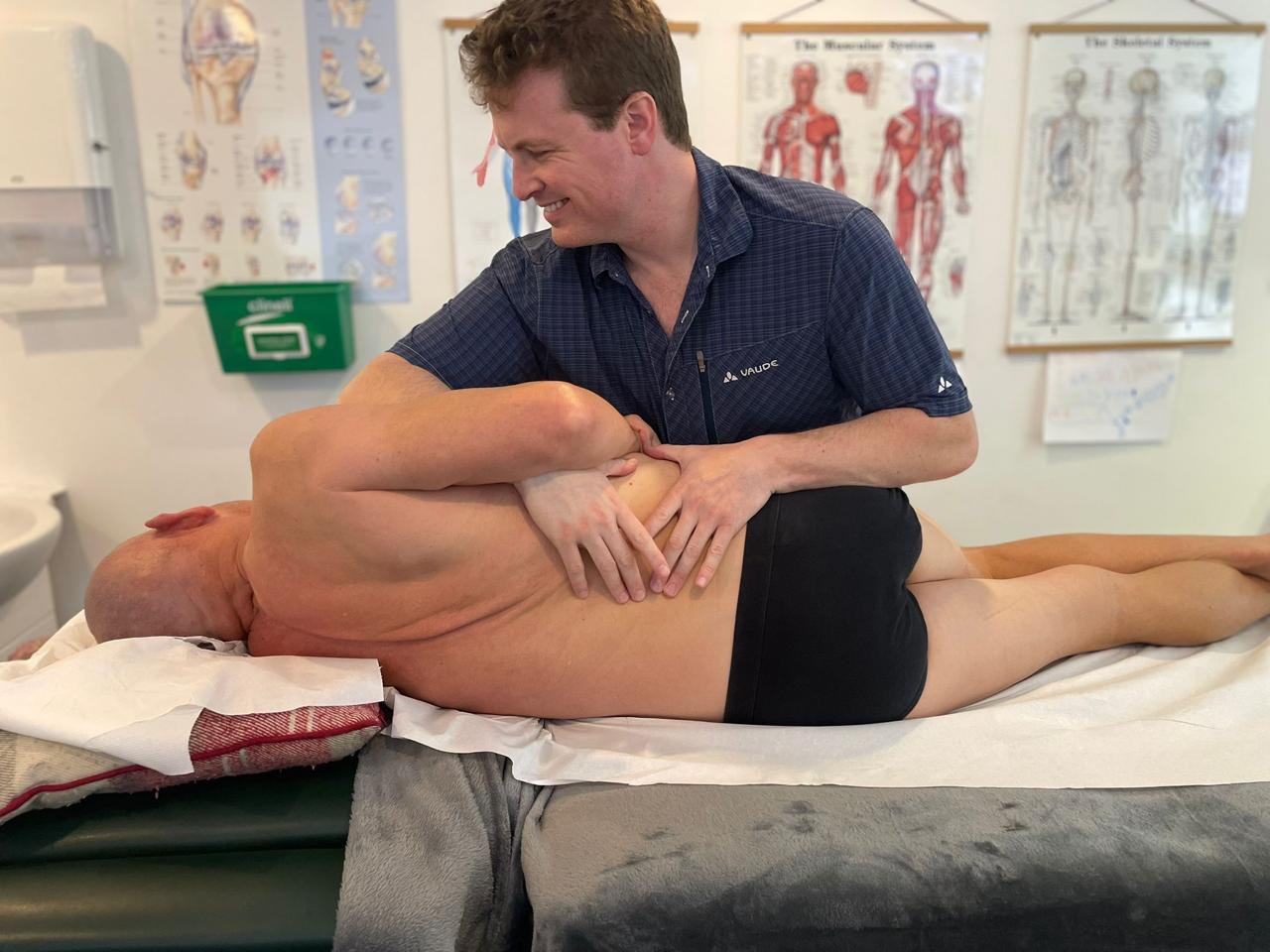
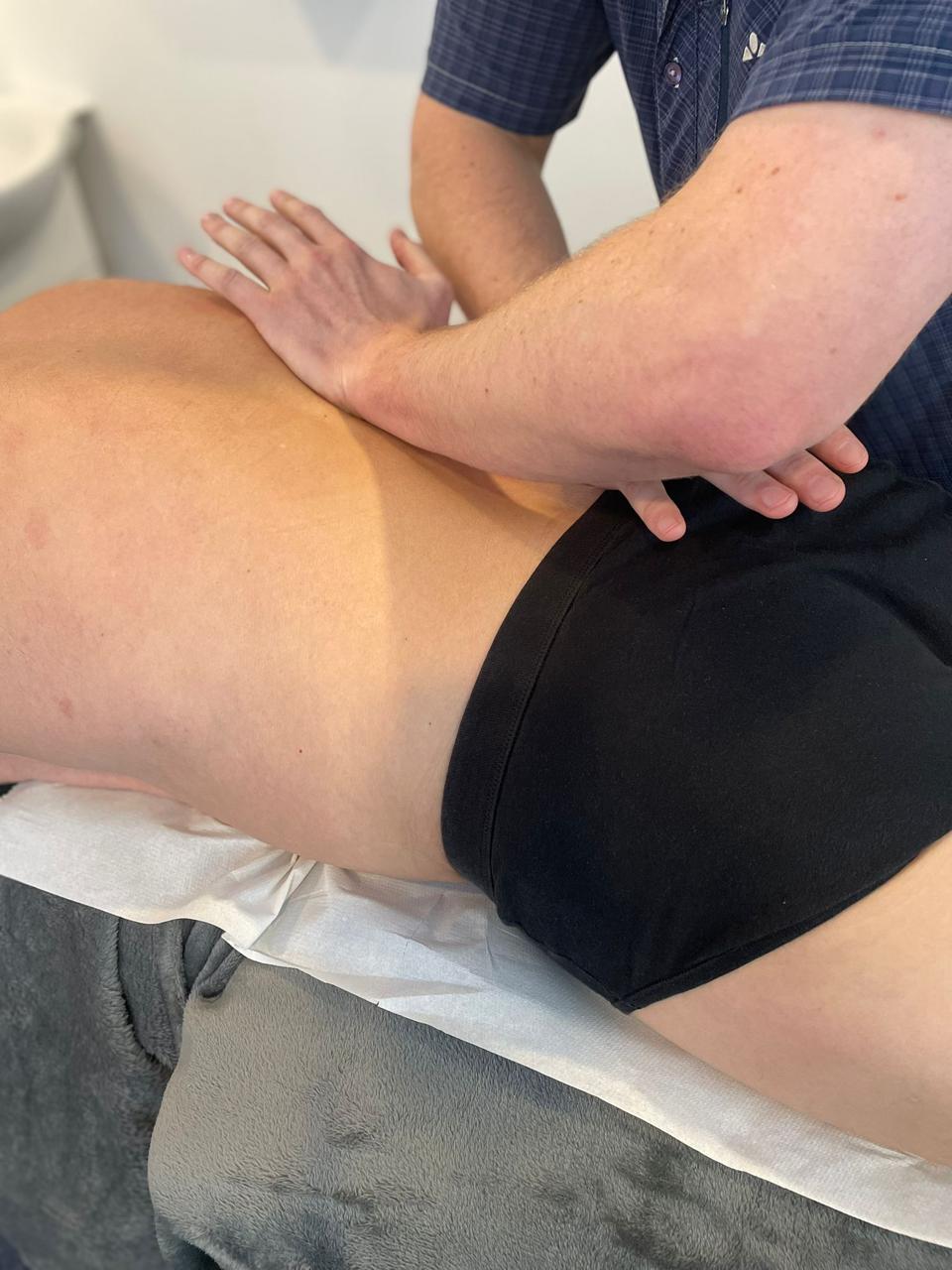
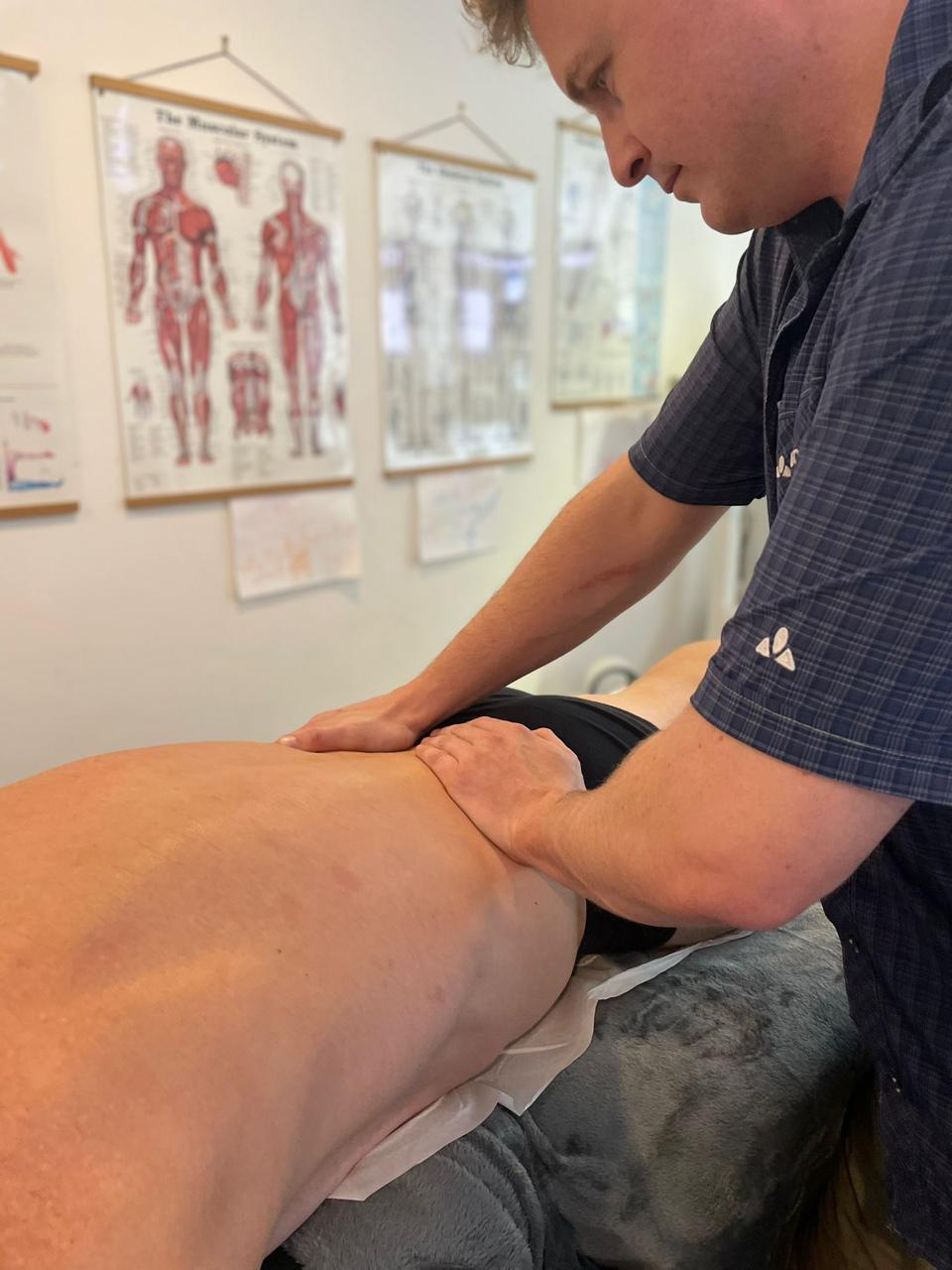
Hands-On Treatment
Treatment is always tailored to the individual and may include:
- Joint mobilisation.
- Soft tissue massage.
- Muscle stretching.
- Articulation techniques.
- Gentle manipulation where appropriate.
The aim isn’t simply to reduce pain, but to help improve movement, confidence and function.
Rehabilitation And Exercise
Research consistently shows that exercise plays an important role in recovering from lower back pain.
Rather than providing generic exercises downloaded from the internet, I’ll recommend movements appropriate to your presentation, confidence and goals.
As symptoms improve, exercises can be progressed to build strength, improve resilience and reduce the likelihood of future episodes.
If you’re looking for additional resources, organisations such as Versus Arthritis also provide excellent evidence-based information and exercise guidance for people managing back pain.
Education And Reassurance
Perhaps one of the most valuable parts of treatment is helping you understand your symptoms.
When people understand:
- what is likely happening,
- what isn’t happening,
- what they can safely do,
they’re often able to move with much greater confidence.
Confidence is an important part of recovery.
Many people leave their first appointment saying:
“That makes much more sense now.”
Sometimes, understanding your pain is the first step towards overcoming it.
Recovery Expectations
One of the questions I’m asked most often is:
“How long will this take to get better?”
Unfortunately, there’s no single answer.
Recovery depends on many factors, including the nature of your symptoms, how long they’ve been present, your general health, activity levels and previous episodes of back pain.
The reassuring news is that most people experience significant improvement within the first few weeks, particularly when they remain active, understand their symptoms and gradually return to normal activities.
If symptoms have been present for several months, recovery may naturally take longer, but improvement is still very achievable.
It’s also important to remember that recovery is rarely a perfectly straight line.
Many people experience occasional flare-ups along the way.
A temporary increase in pain does not necessarily mean you’ve caused new damage or gone back to square one. Often it’s simply part of the normal recovery process.
The aim isn’t just to reduce pain today—it’s to help you build a stronger, more confident back that supports you long into the future.
Evidence-Based Care
At Highlight Osteopaths, my approach combines current research, clinical experience and your individual goals.
As a registered osteopath regulated by the General Osteopathic Council (GOsC) (8550), I work within nationally recognised professional standards and continually update my knowledge through ongoing professional development.
I’m also a member of the Institute of Osteopathy (iO) and the Osteopaths for Progress in Headaches and Migraines (OPHM), as well as the Academy of Physical Medicine for reflecting my commitment to evidence-informed musculoskeletal care and high professional standards.
Current NICE guidance for persistent low back pain supports education, exercise and manual therapy—including spinal mobilisation and manipulation—as part of an overall package of care for appropriate patients, rather than relying on passive treatment alone.
Equally important is recognising when osteopathy isn’t the right option.
If, during your assessment, I believe your symptoms require further medical investigation, imaging or another healthcare professional, I’ll explain why and help you access the most appropriate care.
My goal isn’t simply to reduce pain—it’s to help you understand your symptoms, regain confidence in movement and return to the activities that matter most to you.
Summary
Lower back pain is extremely common and can affect people of all ages and activity levels.
Although it can be alarming, the vast majority of episodes are not caused by serious structural damage.
Modern research has changed the way we understand back pain.
We now know that:
- Pain doesn’t always mean damage.
- Most people recover well without scans or surgery.
- Remaining active is usually better than prolonged rest.
- Exercise, education and gradual return to normal activity form the foundation of recovery.
- Hands-on treatment may help some people as part of a broader evidence-based management plan.
Whether your symptoms started yesterday or have been troubling you for years, understanding what’s happening is often the first step towards feeling better.
If you’re looking for lower back pain treatment in Barry, I’d be happy to help you understand your symptoms and work with you to create a personalised plan for recovery.
Common Myths About Lower Back Pain
Myth: I Need Complete Bed Rest Until The Pain Goes Away
For most people, prolonged bed rest actually slows recovery.
Although you may need to temporarily reduce activities that significantly aggravate symptoms, gentle movement and gradually returning to normal activities are usually encouraged by current NHS and NICE guidance.
Myth: Severe Pain Always Means Serious Damage
Not necessarily.
Pain is influenced by many factors, including tissue sensitivity, stress, sleep and previous experiences of pain.
Some people experience severe pain despite relatively minor tissue irritation, while others have significant changes on MRI scans without any symptoms at all.
Myth: I'll Damage My Back If I Move
Your spine is designed to move.
Avoiding movement altogether often leads to increased stiffness, reduced strength and greater fear of activity.
Gradually rebuilding confidence through sensible movement is usually one of the most effective parts of recovery.
Myth: I Need An MRI Scan To Find The Cause
Most people with lower back pain don’t require imaging.
MRI scans frequently show normal age-related changes that aren’t responsible for pain.
Scans are generally reserved for situations where the results are likely to change treatment or when more serious conditions need to be ruled out.
Myth: Once You've Had Back Pain, You'll Always Have A Weak Back
Previous episodes can increase the likelihood of future flare-ups, but this doesn’t mean your back is permanently damaged or fragile.
With appropriate education, exercise and gradual strengthening, many people return to the activities they enjoy without ongoing limitations.
Frequently Asked Questions About Back Pain
Answers to some of the most common questions about back pain and osteopathic treatment.
Can an osteopath help with back pain?
Osteopaths commonly assess and manage people with lower back pain. Following a detailed assessment, treatment may include hands-on techniques, education, movement advice and rehabilitation exercises where appropriate. If I believe osteopathy isn’t the most suitable option for your symptoms, I’ll explain why and advise on the most appropriate next step.
Do I need a GP referral?
No. You can book directly without seeing your GP first.
However, if your symptoms suggest further medical investigation is required, I’ll discuss this with you and, where appropriate, recommend referral for additional assessment or imaging.
How many appointments will I need?
This varies considerably depending on your symptoms, how long they’ve been present and your goals.
Some people improve after only a few appointments, while others with more persistent symptoms may benefit from a longer rehabilitation programme. We’ll discuss expectations and review your progress together.
Should I rest or keep moving?
For most people, keeping gently active is preferable to prolonged rest.
Walking, gentle stretching and gradually returning to normal activities are usually encouraged, provided symptoms remain manageable.
Can I still exercise with back pain?
Often, yes.
Exercise is an important part of recovery, although it may need to be modified temporarily.
The right type of exercise depends on your individual presentation, which is why personalised advice is often more helpful than generic recommendations.
Is lower back pain serious?
Fortunately, serious causes of lower back pain are uncommon.
Most episodes improve with conservative management.
During your assessment, I’ll screen for signs that may indicate further medical investigation is needed.
Is back pain normal?
Back pain is very common and affects most people at some point in their lives.
Can stress cause back pain?
Yes.
Stress can influence muscle tension, sleep quality, recovery and the sensitivity of the nervous system.
Looking after your general wellbeing can play an important role alongside physical rehabilitation.
Is walking good for back pain?
For many people, yes.
Walking is one of the simplest and most effective ways to stay active during recovery.
Many of my patients enjoy gradually building up walks around Barry Island, Cosmeston Lakes or Porthkerry Country Park as their symptoms improve.
Do I need an MRI scan?
Most people with back pain do not require imaging. A healthcare professional can advise whether a scan is appropriate.
Why does my back pain keep coming back?
Recurring episodes are common and don’t necessarily indicate worsening damage.
They often reflect changes in activity levels, fitness, work demands, stress or sleep rather than ongoing injury.
Understanding your individual triggers can help reduce future flare-ups.
Why Choose Highlight Osteopaths For Back Pain Treatment?
At Highlight Osteopaths in Barry, every appointment is centred around understanding you, not just your back pain.
You’ll receive a thorough assessment, a clear explanation of what’s likely contributing to your symptoms, honest advice and a personalised management plan based on current evidence and your individual goals.
Whether you’re recovering from a recent lifting injury, struggling with recurring flare-ups, finding long hours at a desk uncomfortable, or simply wanting to return to walking, sport or everyday life with confidence, my aim is to help you move better, understand your pain and regain control.
Patients regularly travel from Barry, Penarth, Dinas Powys, Rhoose, Llantwit Major and across the Vale of Glamorgan for evidence-informed osteopathic care delivered in a friendly, supportive environment.
If you’re also experiencing pain travelling into your leg, you may find our Sciatica guide helpful. Pain around the groin or buttock can sometimes originate from the hip rather than the lower back, so our Hip Pain page may also be useful. If you’re experiencing symptoms elsewhere, explore our guides on Neck Pain, Shoulder Pain and Headaches for further evidence-based information.
Ready To Take The Next Step?
Lower back pain can be frustrating, worrying and disruptive—but it doesn’t have to control your life.
If you’d like a thorough assessment, a clear explanation of your symptoms and a personalised plan to help you move with greater confidence, I’d be delighted to help.
Book your appointment today at Highlight Osteopaths in Barry and let’s work together towards getting you back to doing the things you enjoy most.
Ready to get started?
Whether you're struggling with a recent injury or pain that's been bothering you for months, I'm here to help.
Book your appointment online today and let's work together to understand your pain and get you moving with confidence again.
Conditions I commonly treat

Reach Out and Chat
Location
31 Lakin Drive,
Barry,
CF62 8AH